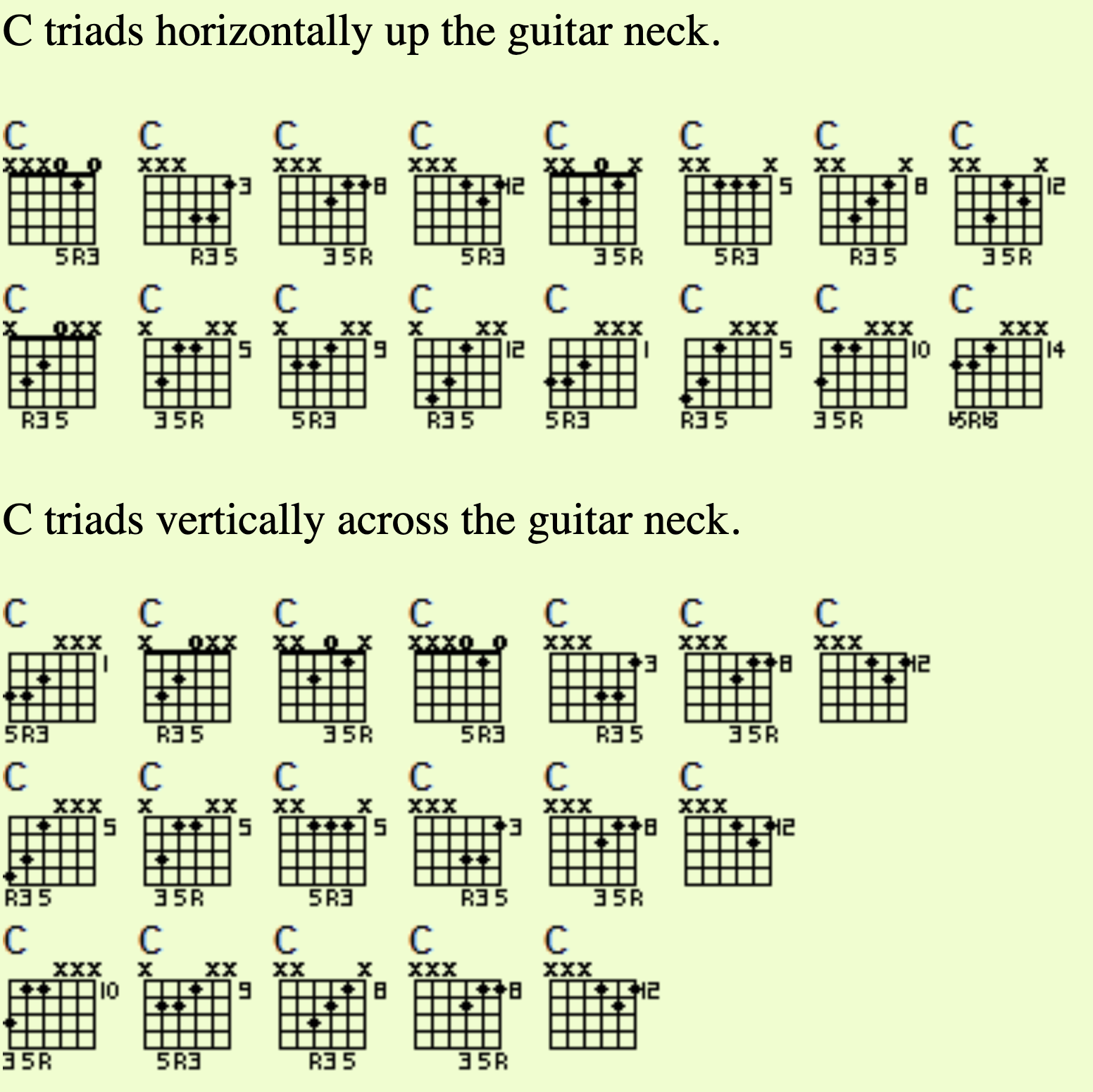
Voicings
In the following exercise, the voicings of each triad are played starting with the voicing closest to the nut of the guitar and ending with the one furthest from the nut.
Set 1

Set 2

Set 3

Set 4

Violin For Sale
$600
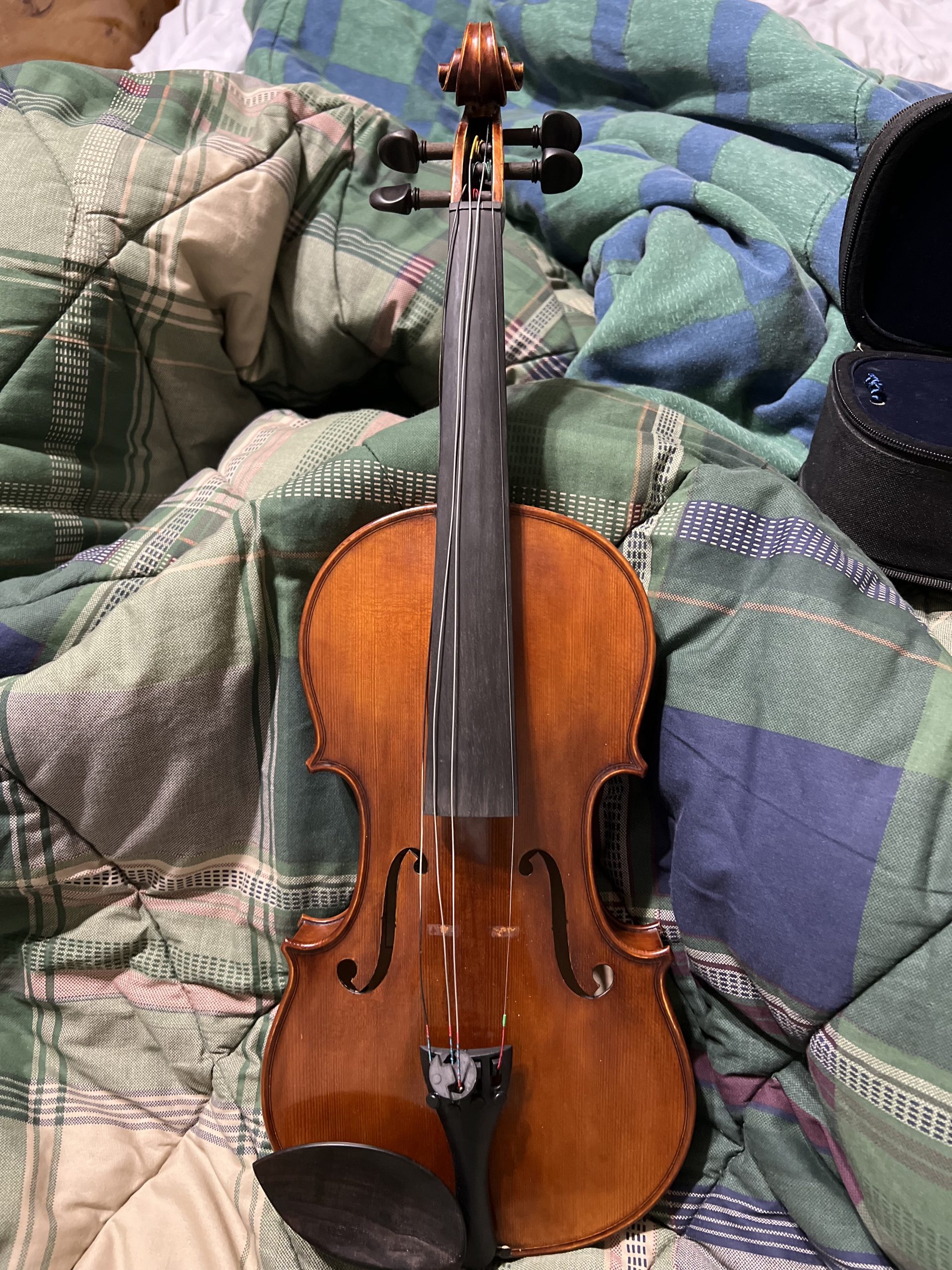
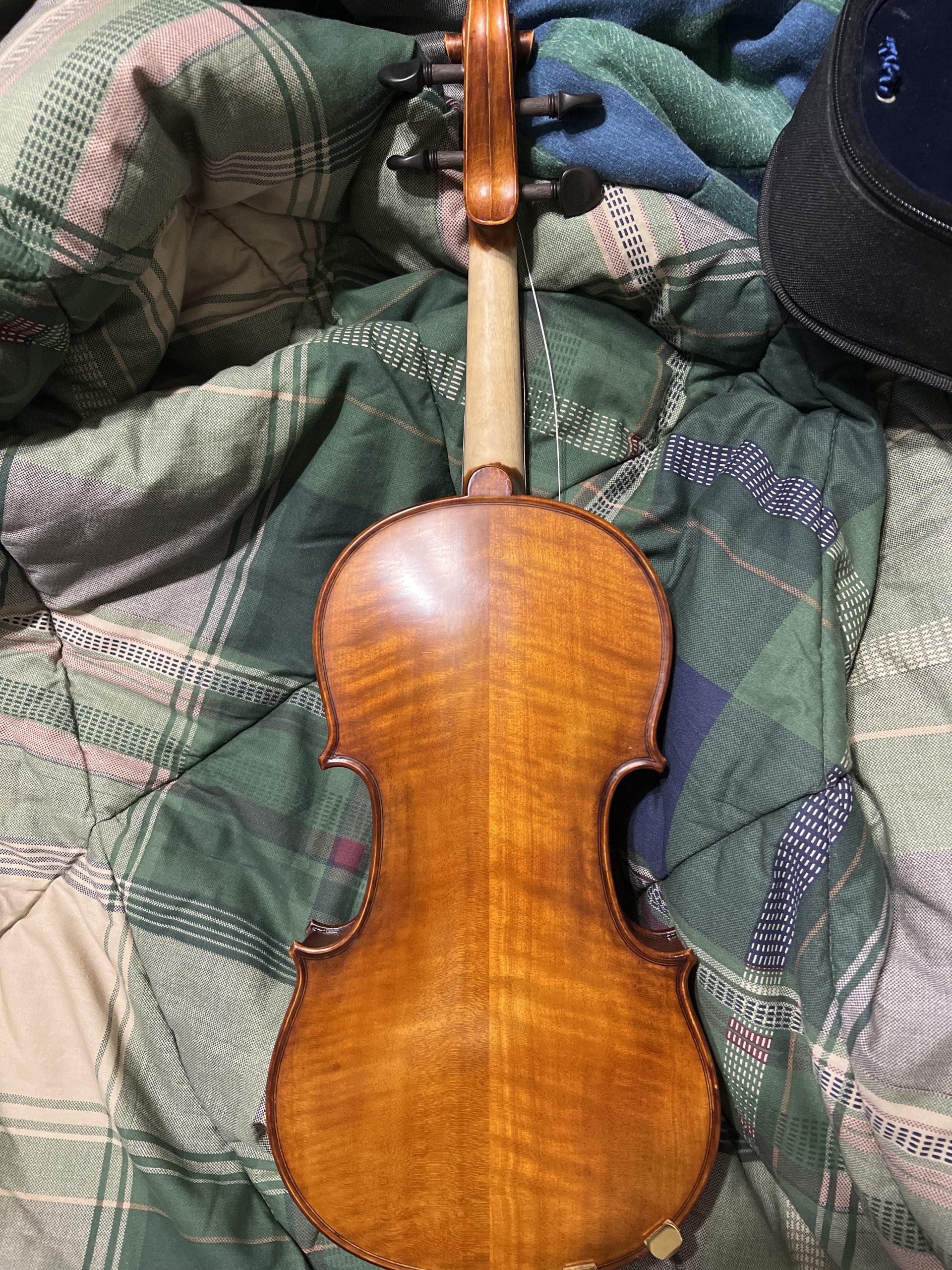
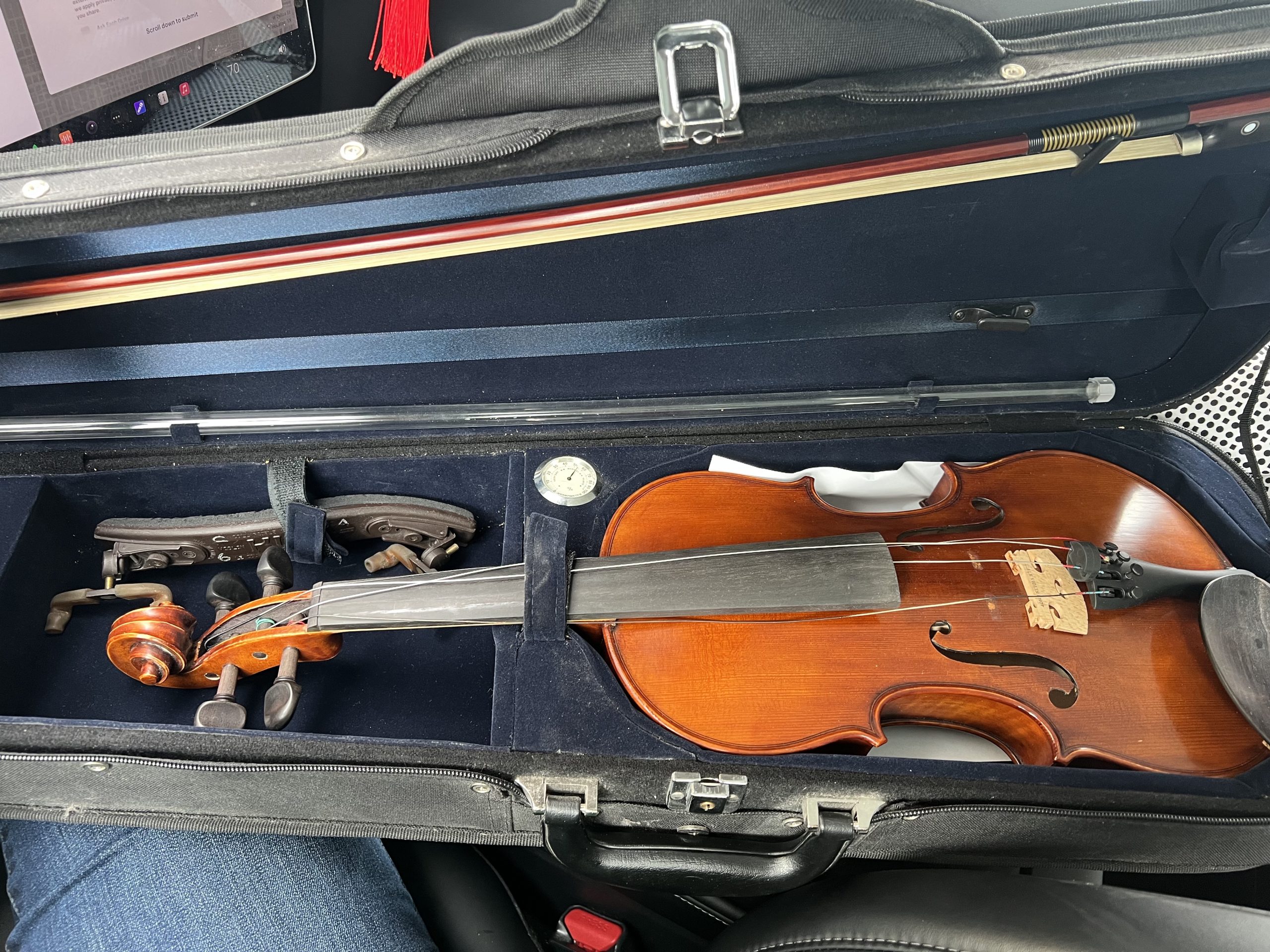
Full size
Year: 2008
Make: Lisle
Model: 126
Spruce top/ maple back and sides
Serial number: 1080730
Accessories included: bow, retractable chin rest, resin and case.
Condition: hardly used but in great condition.
The Lisle Violin model 126 is distributed by the Lisle Violin shop in Houston, Texas. These student violins are designed to be student oriented, and are offered at a great price point. These violins are made in China, with a spruce top, and maple back and sides. The medium gloss finish helps produce a rich, warm timbre.
info: jyothi.achi2@gmail.com
Guitar Lessons Level 2
Guitar Chords level 2
Enrichment
In level two we take the seven keys we learned in level one and enrich the chords by adding the intervals of the diatonic major scale to create the add 2, add 9, sus 4, 6, and major 7. This is known as enrichment, embellishment, or adding color.
1. G
2. C
3. D
4. A
5. E
6. Em
7. Am
Blues scales
Chords and riffs
Chords and riffs in the key of G 1st position
Guitar Lessons Level 1
The Fret Board
A visual illustration of the notes on the fretboard
The fret board: 10 short videos explaining how to master the fretboard.
Chords
Let’s Learn An Easy Song
Scales
Riffs
BLUES RIFFS
The accompanying videos
Chord Enrichment part 3
2nd Inversion Major Triad Derivatives
The 1st set of strings 1, 2, and 3:
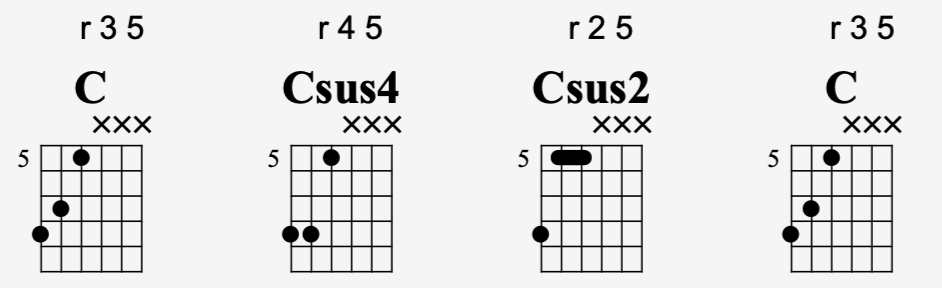
We can enrich chords by simply lowering the root, which is on the 2nd string, by a half step (1 fret) as shown below:

We can also enrich chords by raising the 5th interval by half steps on the 3rd string:

By raising the 3rd interval on the 1st string up 1/2 step to the 4th interval we get the suspended 4 chord (Csus4). By lowering the 1st string a whole step to the 2nd interval we get the suspended 2 chord (Csus2). These chords are called suspended because our ears want the 4 or 2 intervals to resolve to the 3rd interval. We are accustomed to hearing the major triad which has the 1, 3, and 5 intervals. Ending a song or a phrase on a sus chord sounds unresolved. The sus wants to resolve or end on a major 3rd interval:

The 2nd set of strings 2, 3, and 4.


The 3rd set of strings 3, 4, and 5.


The 4th set of strings 4, 5, and 6.


If you are not familiar with any of these terms or concepts visit guitar goodies.
Chord Enrichment part 2
1st Inversion Major Triad Derivatives
The 1st set of strings 1, 2, and 3:
We can enrich chords by simply lowering the root, which is on the 1st string, by a half step (1 fret) as shown below:
 We can also enrich chords by raising the 5th interval by half steps on the 2nd string:
  By raising the 3rd interval on the 3rd string up 1/2 step to the 4th interval we get the suspended 4 chord (Csus4). By lowering the 3rd string a whole step to the 2nd interval we get the suspended 2 chord (Csus2). These chords are called suspended because our ears want the 4 or 2 intervals to resolve to the 3rd interval. We are accustomed to hearing the major triad which has the 1, 3, and 5 intervals. Ending a song or a phrase on a sus chord sounds unresolved. The sus wants to resolve or end on a major 3rd interval:
The 2nd set of strings 2, 3, and 4.


The 3rd set of strings 3, 4, and 5.


The 4th set of strings 4, 5, and 6.


If you are not familiar with any of these terms or concepts visit guitar goodies.
Chord Enrichment part 1
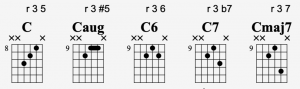
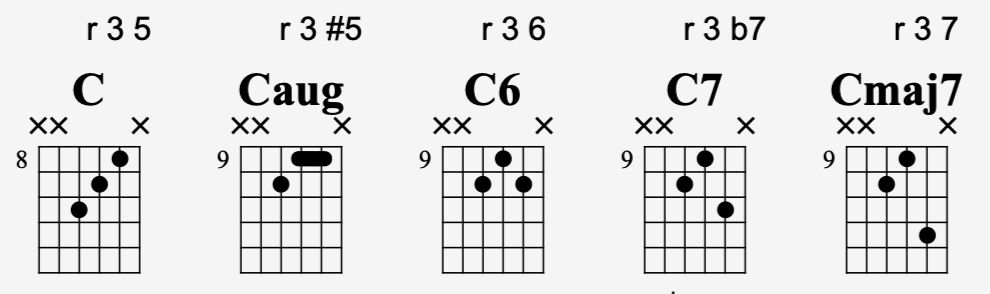
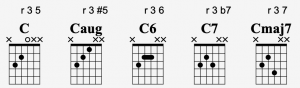
Chord enrichment refers to the process of adding notes to a basic chord to create more complex and sonically interesting chords. The basic chords are typically triads, which consist of three notes: the root, the third, and the fifth. Enriching a chord involves adding additional notes beyond these three, often by incorporating notes that are part of the chord’s scale but not part of the basic triad. However, the notes do not necessarily have be in the diatonic scale such as the ♭7 in C7 or the #5 in Caug.
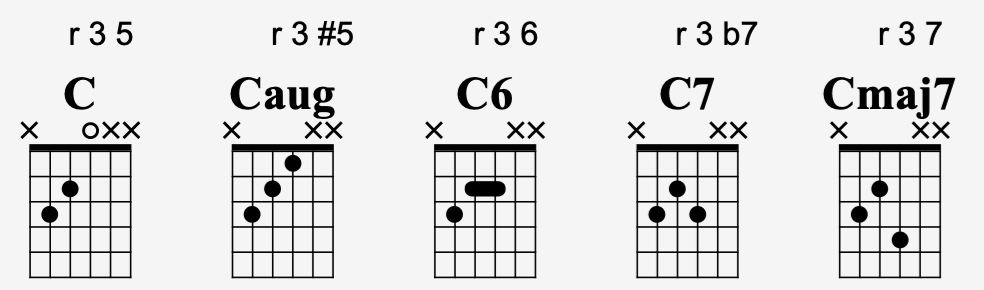
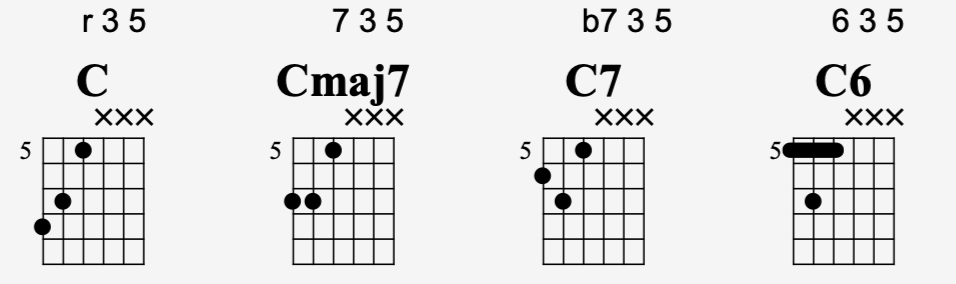
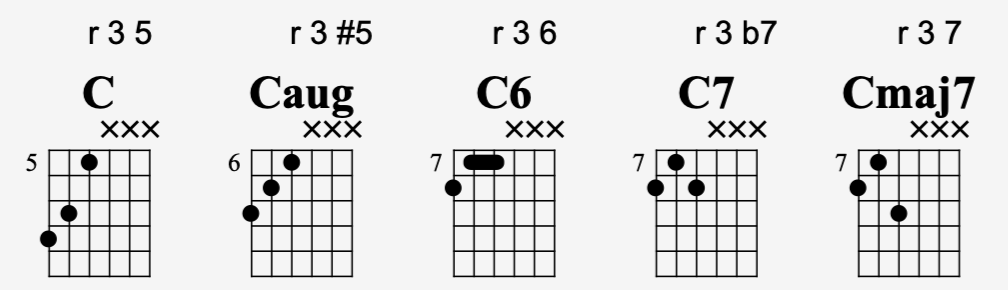
The goal of these exercises is to understand how to construct chords using intervals. Simply memorizing images of chords is not our goal. Be sure to observe what intervals are used to construct each chord. The intervals are on top of each chord diagram. For example, the first chord you see is the C major triad which uses the root (1), 3, and 5 intervals. It is labeled C meaning C major. The next chord has the intervals 7, r, and 3. This is labeled Cmaj7 meaning a C major 7 chord and so on. Understanding intervals is the key.
Root Position Major Triad Derivatives
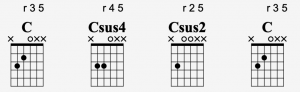
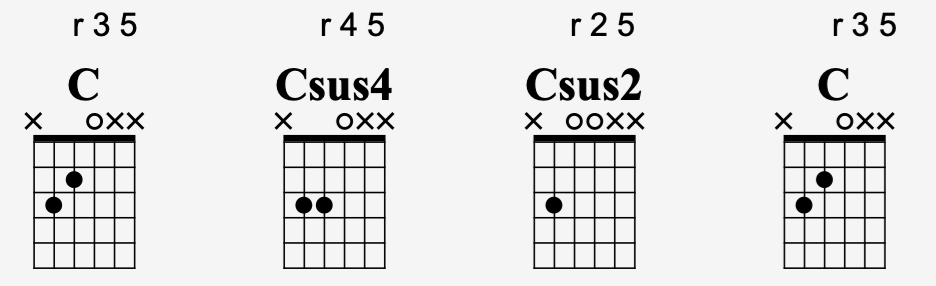
The 1st set of strings 1, 2, and 3:
We can enrich chords by simply lowering the root, which is on the 3rd string, by a half step (1 fret) as shown below:
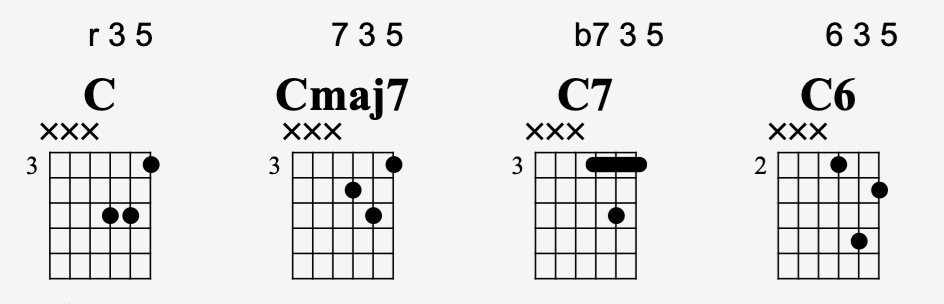
We can also enrich chords by raising the 5th interval by half steps on the 1st string:
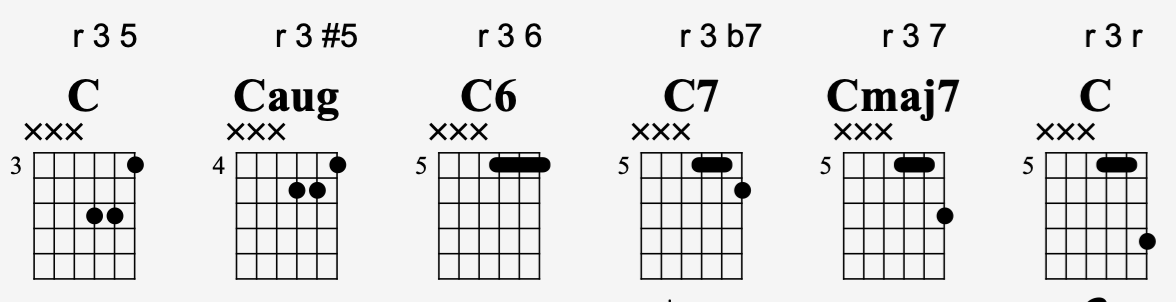
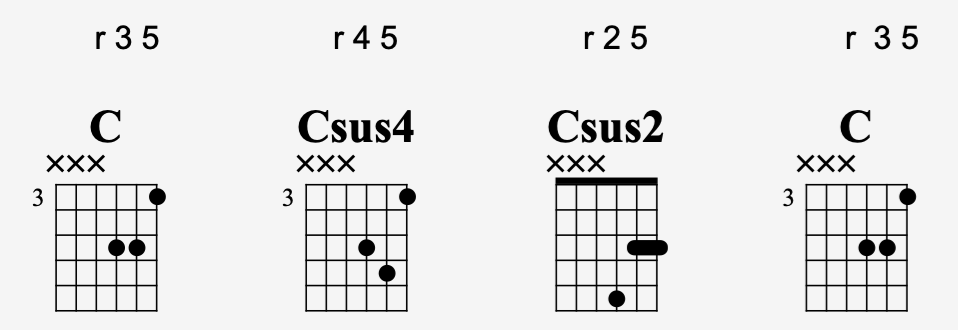
By raising the 3rd interval on the 2nd string up 1/2 step to the 4th interval we get the suspended 4 chord (Csus4). By lowering the 3rd interval a whole step to the 2nd interval (2nd string) we get the suspended 2 chord (Csus2). These chords are called suspended because our ears want the 4 or 2 intervals to resolve to the 3rd interval. We are accustomed to hearing the major triad which has the 1, 3, and 5 intervals. Ending a song or a phrase on a sus chord sounds unresolved. The sus wants to resolve or end on a major 3rd interval:
The 2nd set of strings 2, 3, and 4.

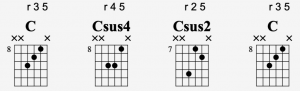 The 3rd set of strings 3, 4, and 5.
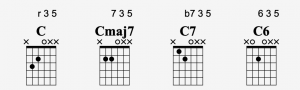
 The 4th set of strings 4, 5, and 6.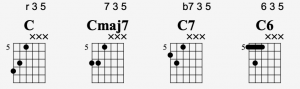


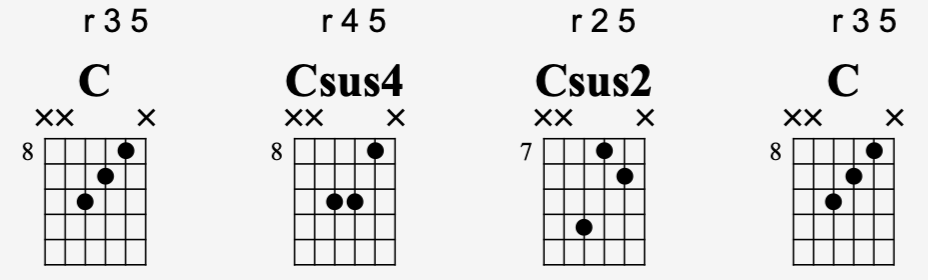

Tuning Below Standard Pitch
Tuning down a semitone:
Guitarists tune down a semitone (also known as “half step down tuning” or tuning to Eb standard) for several reasons:
- Vocal Comfort: Tuning down can help vocalists, as songs become slightly lower, making it easier to sing them. This is particularly useful for songs that are at the top of a vocalist’s range.
- Sound and Tone: Lowering the pitch can give the guitar a deeper, fuller, and slightly darker tone. This is appealing in many music genres, such as rock, blues, and metal, where a heavier sound might be desired.
- String Tension: When you tune down, the tension on the strings is reduced. This can make the strings easier to bend and the guitar generally easier to play, which is beneficial for playing fast or complex passages.
- Matching Recordings: Some guitarists tune down to match the tuning used in specific recordings. This is common when covering songs by artists who frequently use Eb tuning or lower.
- Creative and Musical Choices: The choice of tuning can be a creative one, offering a different set of sonic possibilities and inspiring new ideas in songwriting and improvisation.
- Compatibility with Other Instruments: Sometimes, tuning down is done to match the tuning of other instruments in a band, ensuring all instruments are in key with each other.
Overall, the decision to tune down a semitone is influenced by a combination of factors, including the desire for a specific sound, the need for easier playability, and the requirements of the music being played.
Many famous guitarists and bands have tuned down a semitone (to Eb standard tuning) for some or all of their music. This technique spans across various genres, from rock and blues to metal. Here are a few notable examples:
- Jimi Hendrix: Known for his innovative guitar techniques and sounds, Hendrix often tuned down a semitone to accommodate his vocal range and to achieve a warmer, fatter guitar tone.
- Stevie Ray Vaughan: A legendary blues guitarist, Vaughan frequently used Eb tuning, which contributed to his signature thick, rich tone and made bending strings easier.
- Slash (Guns N’ Roses): Many of Guns N’ Roses’ iconic songs, including tracks from their debut album “Appetite for Destruction,” are played in Eb tuning, giving them a slightly heavier sound.
- Eddie Van Halen (Van Halen): Van Halen occasionally used Eb tuning for certain songs to achieve a heavier sound and to facilitate ease of playing.
- Kurt Cobain (Nirvana): Cobain sometimes tuned his guitar down a semitone for a heavier sound, though he also experimented with other tunings.
- Metallica: While Metallica has used various tunings throughout their career, they’ve employed Eb tuning on several occasions to achieve a heavier and darker sound.
- Green Day: Many of Green Day’s songs are played in Eb tuning, contributing to their punk rock sound.
- Eric Clapton: Clapton has used Eb tuning for certain performances, often for blues numbers to achieve a more authentic blues sound.
These artists and many others have utilized Eb tuning to achieve specific sonic characteristics, easier playability, or to better match their vocal ranges. Tuning down a semitone is a common practice in the guitar community, embraced by amateurs and professionals alike for its versatility and the unique qualities it brings to music.
Tuning down a whole tone:
Tuning down a whole tone (also known as D standard tuning) involves tuning each string of the guitar down by a whole step. This tuning is favored by some guitarists for its heavier, deeper sound and reduced string tension, which can facilitate easier bending and playing. It’s particularly popular in genres like metal, hard rock, and even some blues and jazz contexts. Here are a few notable guitarists and bands that have used D standard tuning:
- Tony Iommi (Black Sabbath): Often considered the pioneer of heavy metal guitar, Iommi frequently used tunings lower than standard, including D standard, to create Black Sabbath’s dark, heavy sound. His use of down tuning was initially inspired by the need to ease tension on his fingers due to an accident that injured his fingertips.
- James Hetfield and Kirk Hammett (Metallica): Metallica has used D standard tuning on several songs, notably on the album “Load” and “Reload,” to achieve a heavier, more resonant guitar sound.
- Josh Homme (Queens of the Stone Age): Homme has used a variety of tunings, including D standard, to achieve the distinctive stoner rock sound that QOTSA is known for.
- Mastodon: This metal band is known for their heavy, intricate compositions and have used D standard tuning on many of their albums to create their signature sound.
- Daron Malakian (System of a Down): System of a Down has songs in D standard tuning, contributing to their unique blend of metal, rock, and Armenian musical influences.
These guitarists and bands have explored the creative possibilities offered by tuning down a whole tone, using it to shape their music’s character and emotional impact. D standard tuning remains a popular choice for artists looking to explore different sonic landscapes or achieve a heavier sound.
I never played this CCR song correctly until I learned he was tuned down a whole step.
Do you know of some some that use these tunings? I’d love to know. Drop me a line.