Puerto Rican Cuatro Lessons in English
Why Is This Gringo Playing and Teaching Puerto Rican Cuatro?
Music has been my life for as long as I can remember. Maybe it started even earlier, but the day that really stands out was February 9, 1964, when The Beatles appeared on The Ed Sullivan Show. I was 10 years old, and from that moment on, music had a hold on me.
After high school, I worked and took private guitar lessons continuously for years. In 1977, I began teaching private guitar lessons part time. By 1981, I was teaching full time with over 40 students a week and playing with local bands. As the years went by, I began learning and teaching other instruments too, including mandolin, ukulele, lap steel, and banjo.
Then, in 2001, I met a beautiful Puerto Rican lady who would change my life. She told me about the cuatro and explained that it was the national instrument of Puerto Rico. I was intrigued right away.
When I proposed to her, I needed to travel to Puerto Rico to ask her parents for their blessing. I flew to meet her family in the mountain town of Adjuntas. Fortunately for me, her parents agreed to let us get married. My fiancée had told her family that I was a musician, and they all pitched in and surprised me with a beautiful Puerto Rican cuatro.
That was the beginning.
I bought cuatro CDs and started listening. More than anyone else, I listened to Maso Rivera, who is considered the godfather of Puerto Rican cuatro music. I began practicing the instrument and learning a few Puerto Rican songs. But mostly, I started applying what I already knew from guitar and other instruments to the cuatro.
I do play some traditional Puerto Rican music, but I also use the cuatro for folk, pop, Celtic, swing, and other styles I already knew. That is part of what I love about it. The cuatro has its own voice, but it is also a very versatile instrument. It is tuned like a 5-string bass — B, E, A, D, G — but two octaves higher.
So why am I making cuatro videos on YouTube?
There are several reasons.
First, I see a real need for an English-speaking cuatro teacher. There are not many out there. I have also learned that many Puerto Ricans living on the mainland feel a deep nostalgia for home. I often get comments from people saying, “My dad played cuatro,” or “My grandfather used to play that.” That means something to me.
Second, the cuatro connects me to my Puerto Rican family. I do not speak much Spanish, but music is a language we all understand.
Third, people are always curious when they see me play the cuatro. Here on the mainland, most people have never seen one before. They want to know what it is, where it comes from, and why it sounds the way it does.
And finally, these videos are part of my legacy. I have spent my life learning, playing, and teaching music. I want to share what I have learned so it can help people long after I am gone.
I hope these lessons help you enjoy the Puerto Rican cuatro for many years to come. Whether you are reconnecting with your heritage, learning about the instrument for the first time, or just curious about its beautiful sound, I am glad you are here.
Feel free to contact me if you have any questions.
START LEARNING HERE!
Mr Tambourine Man 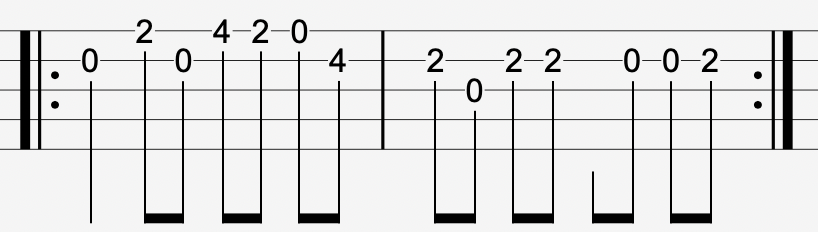
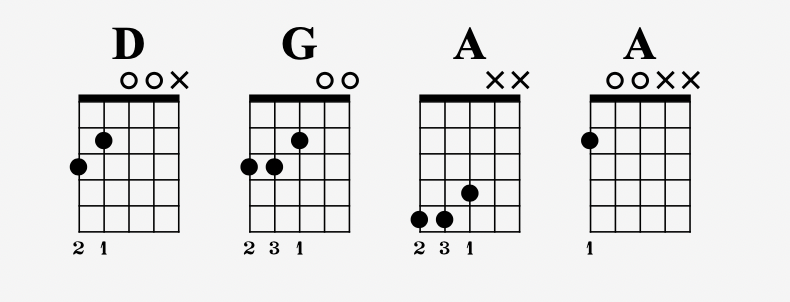
3. Sequences of the C major scale
4. One octave major scales in the open position in all twelve keys
7. Seis Mapeye
9. Seis Mapeye tools for improvising 1-8
10. Seis Chorreao scales and chords primer
11. Five ways to play the C major scale
Bile Them Cabbage Down
part 5 : chords on courses 1, 2, and 3
part 7: chords on courses 2, 3, and 4
Old Joe Clark
Sound of the Island
An article in the Humble Observer about the Puerto Rican cuatro and Brian Turner